
Home > About Autism
About Autism
Learn about autism and how ABA support can help your child thrive.
Note: This page is for general educational purposes and is not medical or diagnostic advice. If you have concerns about your child’s development, please consult your pediatrician or qualified licensed provider.
Autism spectrum disorder (ASD) is a neurodevelopment condition that affects how a child’s brain develops and how they experience the world. It can influence communication, social interaction, sensory processing, and emotional regulation.
Children on the autism spectrum may engage in repetitive behaviors, prefer predictable routines, or experience challenges adapting to change. At times, some children may display behaviors that reflect difficulty communicating their needs or regulating emotions.
At the same time, many autistic children demonstrate unique strengths, such as strong memory skills, focused interests, creative thinking, or advanced learning abilities. Every child’s profile is different, and development occurs along an individual timeline.

A Different Way of Experiencing the World
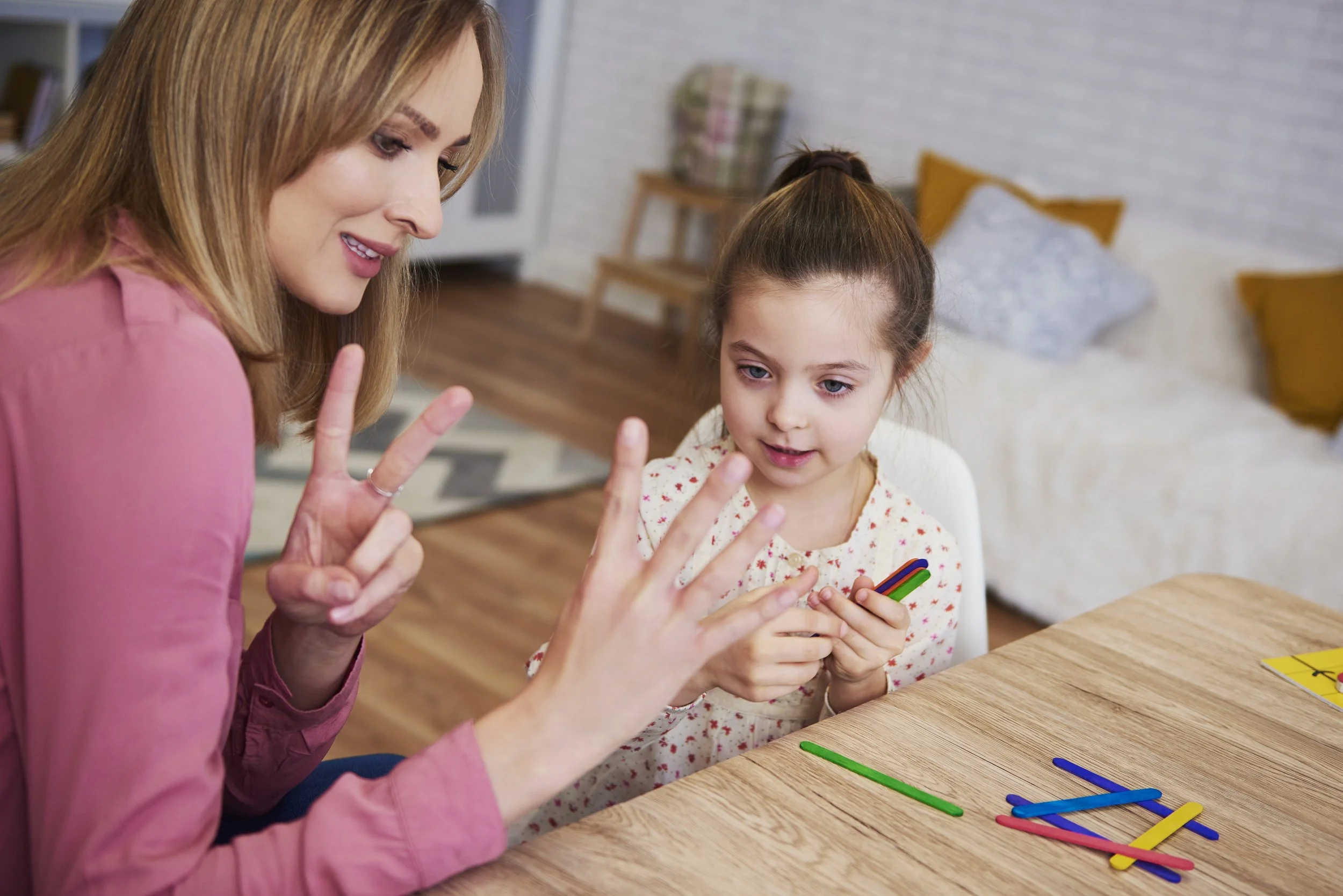
Children on the autism spectrum may learn, communicate, and respond to their environment in ways that differ from typically developing peers. Every child has a unique combination of strengths, challenges, and abilities, along with their own way of thinking, interacting, and engaging with the world.
Because of this, autism presents differently in each individual. There is no single path or timeline for development.
While there is no known cure for autism, early identification and supportive intervention can play an important role in promoting a child’s growth, learning, and long-term development.
At Nurture Path Development Center, we use evidence-based, data-informed Applied Behavior Analysis (ABA) therapy to support meaningful, individualized progress in areas that matter most to children and their families.
Stay Connected
Nurture Path Development Center is in the early stages of building a supportive community for families. In the future, we look forward to sharing educational resources, updates, and opportunities to connect.
For now, families are encouraged to contact us directly with questions or learn more about available services.

Signs of Autism
Signs of autism often begin to appear in early childhood. The information below highlights some common characteristics that may be observed in children on the autism spectrum.
Every child is unique, and not all children will show the same signs. Some children may display only a few characteristics, while others may show different traits not listed here.
This information is intended to support awareness and understanding, and is not a diagnostic tool. If you have concerns about your child’s development, a qualified healthcare or licensed professional can provide guidance and evaluation.
Common signs may include:
Limited or inconsistent eye contact
Preference for solitary play or activities
Differences in recognizing or expressing emotions in themselves or others
Difficulty initiating or sustaining interactions with peers
Sensitivity or discomfort with certain types of physical touch
Inconsistent response to spoken language, questions, or instructions
Repeating words or phrases (immediately or at a later time)
Repetitive movements or patterns of behavior
Limited interest in imaginative or pretend play
Difficulty with transitions or changes in routine
Heightened sensitivity to sounds, textures, lights, or smells
Loss of previously acquired skills
Challenges expressing wants, needs, or preferences
Not all children will show all of these signs, and the presence of one or more does not necessarily indicate autism. A comprehensive evaluation by a qualified professional is needed for diagnosis.

Get Started Today
It all begins with a conversation. We take the time to listen, understand your concerns, and offer knowledgeable, compassionate guidance every step of the way. Let’s work together to help your child move forward—connect with us today.